A fitting has two jobs, and only one of them gets checked on installation day. The first job is to seal the connection and pass initial inspection. Done. The second is to make sense years down the line, to whoever has to open the wall to repair something.
Most specification decisions are judged against the first job. The second one only shows up when something pipe fittings need to be fixed, and by that time it’s already too late to choose differently. That gap between the handover and being serviceable long-term is where many avoidable disruptions are built into buildings without being noticed.
A Fitting Can Pass Every Test and Still Complicate the Building Later
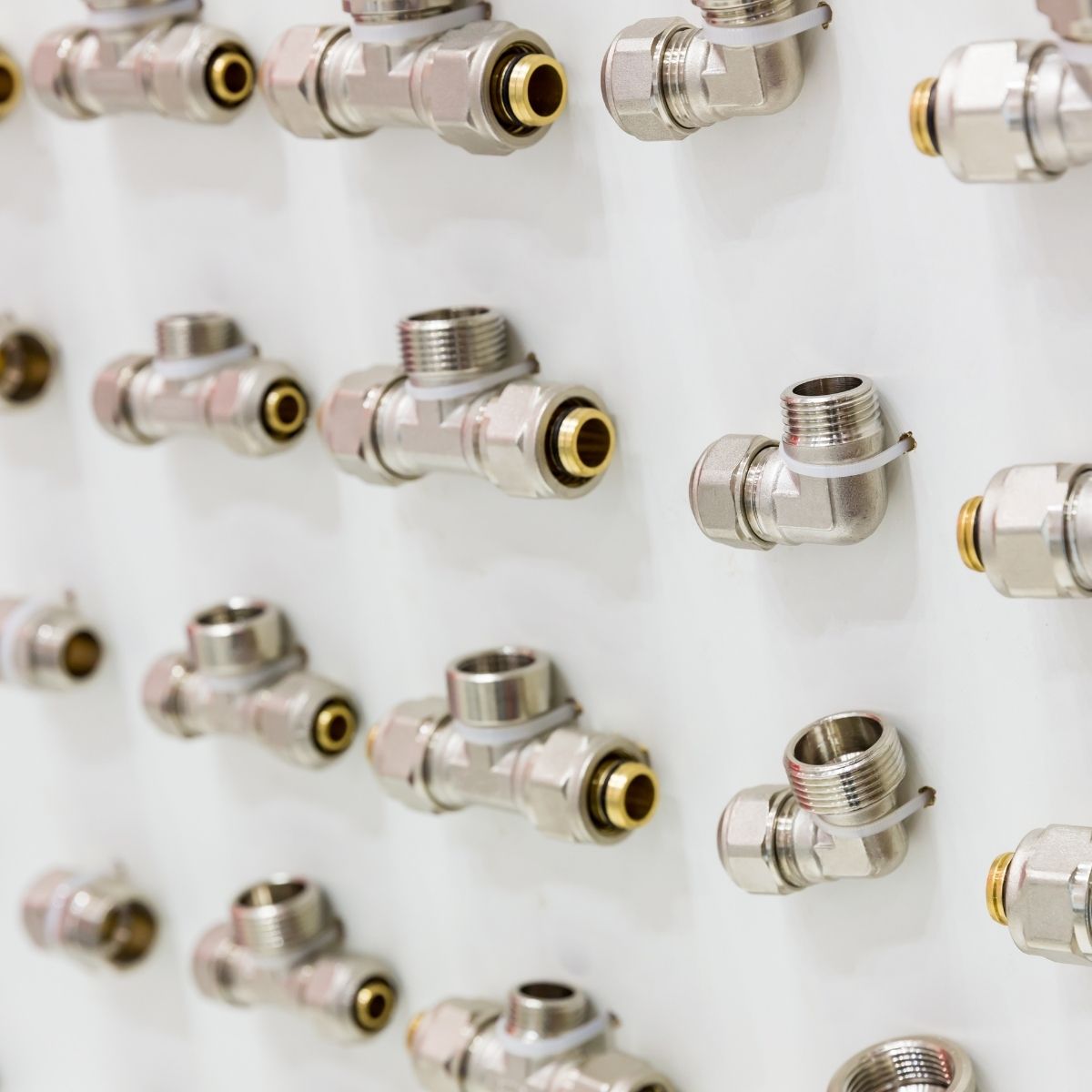
Pipe fittings are generally chosen for the current job’s needs. If it suits the pipe material, holds pressure, and installation falls in with the time available to crews, it’s good enough to do the job. These may be the right elements on the day of installation, but they’re the wrong ones to consider when working out if the section of pipework needs attention five years from now.
Fittings that need specific tools, are positioned in ways no one expected, or come from a discontinued range can all be perfectly fine fittings. They do their jobs, even if it makes future jobs slightly more challenging, which is a cost added to someone else’s timeline,
The Plumber Repairing It Later Usually Isn’t the One Who Installed It
As soon as people move into the building, the gap between installer and repairer isn’t a small detail. It’s usually the whole problem. A school, apartment building or hotel doesn’t keep the same maintenance contractors, so the person called out for a leak on a Wednesday afternoon needs to work with whatever the system tells them.
Isolation Points You Can’t Find Cost More Than the Actual Leak
One bathroom with a leak in a block with forty units should be a contained job. The moment the isolation valve isn’t where it’s expected to be, unlabelled, or buried behind a newer renovation, it’s not a contained job anymore. Something that should’ve taken about an hour suddenly turns into a hunting exercise where water needs to be shut off to other units that weren’t even part of the problem and opening more of the wall than was ever necessary.
Unrecognisable Connection Methods Slow Down Every Other Step
The same applies to the fitting method itself. If the system is easily identifiable with just a quick glance, they immediately know what they’re with before they even open their toolbox. If the system is unfamiliar or the fitting was made obscurely, every step from diagnosis to sourcing matching parts takes much longer. That’s all time that gets billed to the building owner as disruption, not a single line item anyone involved budgeted for.
Replaceable Fittings Are Only Useful While Still in Stock
Access and legibility aren’t the only aspects to consider around serviceability. The parts should still be available when needed. When a fitting is theoretically replaceable, it’s less useful if a matching part has been discontinued or is hard to come by. This is a very real commercial reality in South Africa, where reliable local distribution and forecasting determine when contractors can get their hands on a product within the timeline demands of repair jobs.
This is a big part of why Sunridge’s multi-layer piping is worth understanding as a system rather than a collection of individual parts. A standardised, well-stocked range gives repair technicians a known quantity to work with, even years after the initial installation, instead of having to search for parts that may no longer be manufactured.
It’s the same logic that shows up when you look at what returned plumbing supplies reveal about product quality: the failures worth paying attention to aren’t necessarily about the fitting on day one. They’re about what happens once it’s been in the wall for years and something needs fixing.
The compatibility of components also plays an important part here, and not in an abstract or aesthetic way. Fittings that are “close enough” to original specs but just not quite the perfect match create a hidden cost we explored in the real risk of almost-matching plumbing components, where repair that should’ve solved a system issue instead introduces weak points the next contractors need to find and fix all over again.
Buildings Get rearranged. The Plumbing in the Walls Needs to Keep Up
Repairs are one pressure point. Adaptation is another, and just as common. Vanities move. New water points are added when a room changes use. A single bathroom could become an ensuite, or a storeroom becomes a kitchenette. None of these rearrangements means a failure of the original plumbing. It’s just what happens to buildings that stay in use for decades.
Plumbing products that support that long-term change without requiring entire finished surfaces to be torn apart reduce the cost of any renovation that follows, not just repairs. Even something as ordinary as the small component that decides how a mixer tap ages makes the same point at a smaller scale. The parts that appear the least significant on the day of installation are often the ones that also determine how much work the next set of changes will eventually require.
What Should Change at the Specification Stage
Pipe fittings don’t stop being relevant once they pass the initial inspection. They need to continue for as long as the building stands, and every year after installation is a year it will either support the next person who needs to work on it, or work against them.
Specifying with access, legibility, and whatever part may still be available when needed is the separating factor between a contained repair and an avoidable one. That’s a lifecycle question, and it’s worth asking about before the pipework goes behind the wall.