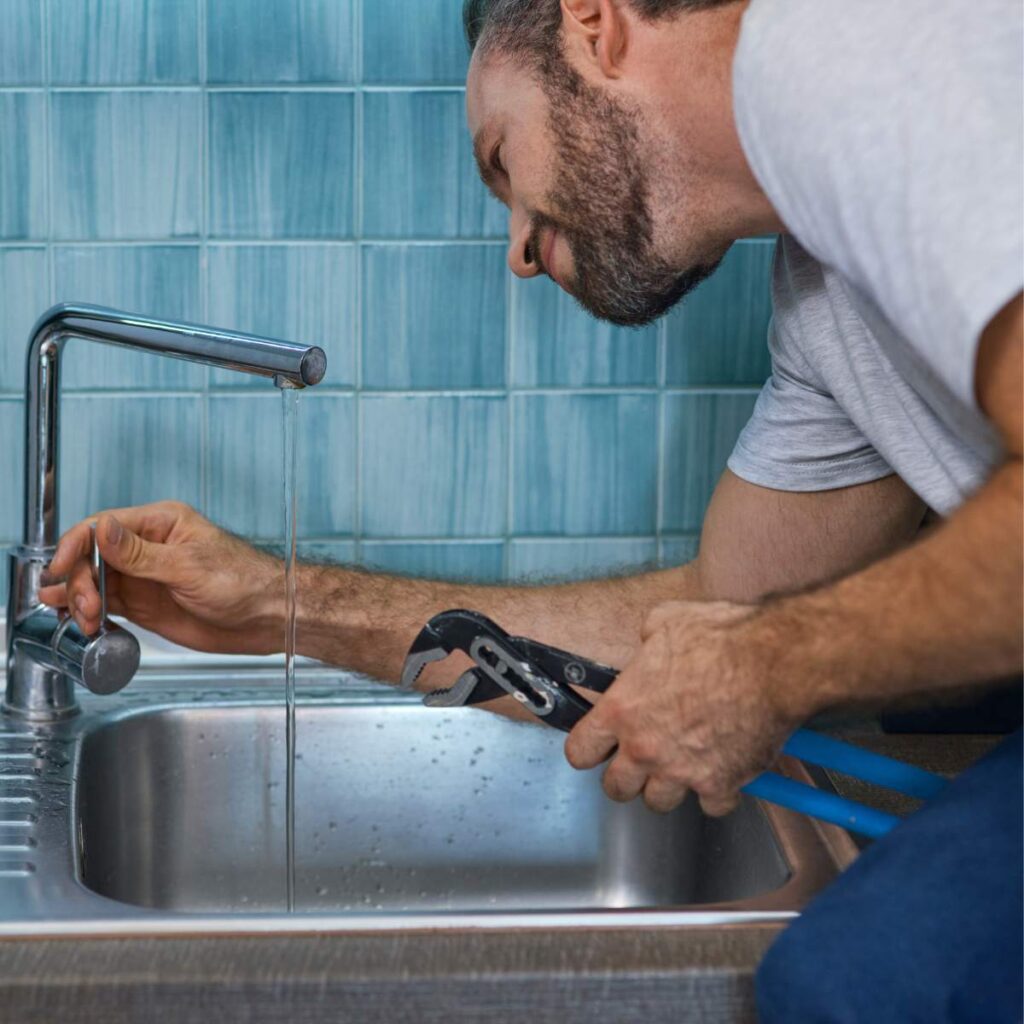
A dripping tap is often treated as the beginning of the end.
The handle becomes stiff. The water doesn’t shut off as smoothly as it used to. Temperature adjustment becomes inconsistent, or a slow drip starts appearing after the tap has been turned off. For many homeowners, these changes immediately suggest it’s time to replace the entire mixer.
The visible tap isn’t always the problem, though.
Many of these symptoms start inside the mixer tap cartridge, a small internal component responsible for controlling the water flow, temperature and the smooth movement of the handle. Understanding how this part works can help explain why some taps perform reliably for years while others show signs of wear much earlier.
Most Mixer Taps Don’t Wear Out Suddenly
Frequently used fixtures, like mixer taps, should generally age gradually, not overnight.
The first signs of wear are often subtle. Perhaps the handle feels slightly rough when opening the tap, maybe with a well-known squeak. Maybe the water temperature is harder to control, or the tap doesn’t shut off as cleanly as before. Individually, these changes may seem insignificant and easy to put aside, but together they indicate that one of the tap’s hardest-working components is beginning to wear out.
This is also why diagnosing the problem matters. Replacing an entire tap without understanding the cause may solve the symptom, but not necessarily the underlying issue. In some cases, the body of the mixer is still perfectly serviceable while only an internal component requires replacement.
As with any plumbing fixture, long-term performance also depends on the quality of the overall installation. Reliable products perform best when supported by a well-designed system, like Sunridge’s multi-layer piping, which helps to provide consistent water delivery throughout the home.
The Hardest-Working Part Is the One You Never See
Although it’s hidden inside the tap, the cartridge controls almost every movement the user experiences.
Every time the handle is lifted, lowered or adjusted between hot and cold water, the cartridge regulates the flow. It creates the resistance that makes the handle feel smooth, controls how precisely the water temperature can be adjusted and seals the water supply when the tap is turned off.
Because the cartridge performs this work every day, it naturally experiences wear over time. Use frequency, water quality, mineral deposits and manufacturing consistency all influence how quickly that wear becomes noticeable.
This is why two taps that appear almost identical on the outside can behave very differently after several years of use.
Why Do Some Cartridges Last Longer Than Others?
Not every mixer tap cartridge is manufactured to the same standard.
One of the biggest differences comes from the quality of the internal sealing surfaces and moving components. A well-manufactured ceramic mixer tap cartridge is designed for smooth movement while resisting the friction from opening and closing. Precision manufacturing helps to maintain consistent water control and reduces unnecessary wear on the internal components.
Water conditions also play a role in how fast it wears down. Hard water, sediment and mineral build-up can gradually affect moving parts, particularly where maintenance is neglected or poor-quality components are used. Over time, this contributes to stiffness, reduced temperature accuracy or small leaks developing around worn sealing surfaces.
The Pura Single Lever Cartridge demonstrates how quality internal components contribute to smoother operation and a more reliable long-term performance when correctly specified and maintained.
Should You Replace the Cartridge Or the Entire Tap?
One of the most common struggles many homeowners face is whether replacing the cartridge is enough or whether the entire tap should be replaced. The answer depends on more than the leak itself.
If the tap body is in good condition, the finish is intact and replacement components are readily available, addressing the cartridge may restore smooth operation without replacing the complete fitting. However, if the mixer has suffered physical damage, severe corrosion, poor manufacturing quality or replacement parts aren’t available, replacing the entire tap may be a better long-term solution.
Rather than making the decision based solely on a dripping tap, it’s useful to consider the overall condition of the fitting. Looking at the complete picture often leads to a more informed and cost-effective outcome.
If a renovation is already planned, this can also be an ideal opportunity to review whether the existing fixtures still suit the space. Our guide to Top 5 Bathroom Renovation Mistakes explores several common decisions that influence long-term plumbing performance.
High-Quality Plumbing Products Age Differently
Most plumbing systems and fixtures give gradual warning signs long before complete failure occurs. A tap may feel stiffer, take a little longer to shut off or become less precise when adjusting the temperature before it ‘fails’. These small changes are often the result of individual components ageing at different rates rather than the entire product wearing out.
This is why consistency means the difference between a well-designed plumbing product and one that becomes a problem before it should. When one part is manufactured to a lower standard than the rest, it quickly becomes the first weak point and affects the overall user experience.
The same thinking applies across an entire plumbing system. Small inconsistencies hardly stay isolated for long, which is why understanding how individual components contribute to long-term performance is so important. Our article on Why Plumbing Systems Fail One Small Inconsistency at a Time explores this principle in more detail.
Sometimes The Smallest Component Tells You the Biggest Story
A mixer tap is judged by what you can see, but its long-term performance is decided by what you can’t. The finish may still look new and shiny, but the way the handle moves, how accurately the temperature responds and whether the water shuts off cleanly all reveal what’s going on beneath the surface. Those subtle changes are often the first signs that the tap is asking for attention rather than replacement.
Understanding that difference leads to better decisions. Instead of assuming every drip or stiff handle means buying a new tap, you can ask a more useful question: which component is actually changing?
Sometimes, the smallest part inside the tap tells you more about its condition than everything you can see on the outside.