Skilled plumbers can make difficult connections look easy. Experience takes the wheel and small adjustments happen instinctively, and the job gets done.
This all changes when you move from one connection to fifty bathrooms with several installers and hundreds of connection points. It’s no longer just ‘can this plumber make this connection?’ It becomes a question of whether the entire team can achieve the same dependable result, on repeat.
This is where Unitwist fittings become part of a much bigger project conversation. Connection method installers understand, repeat, inspect and consistently test supports more than install speed: it creates shared workmanship standards across projects. And when those connection standards for part of the broader multi-layer pipe system, consistency at each point contributes to the reliability of everything around it.
Why Isn’t Experienced Workmanship Enough on Large Projects?
Experience will always matter in plumbing. An experienced installer recognises when components aren’t performing as they should, when unusual adjustments are required, or when alignment simply feels off.
That judgment is extremely valuable, but larger projects can’t rely on one person having and exercising it.
A contractor may have a team of senior plumbers, junior installers and different crews all working across the same project. People join projects at different stages, supervisors move between sites and one team may complete 10 bathrooms before another takes over the next set. The installation process needs to provide a consistent framework for that skill.
The objective then isn’t to remove individual expertise from the job. It’s to ensure reliable workmanship can be reproduced beyond the most experienced person on the site. Your best plumber can’t make every connection – but standardised workmanship can.
What Installation Variation Looks Like: Two Crews, Twenty Bathrooms, One Specification
Picture a residential development with two teams working on opposite ends of the project. The bathroom layouts are identical, the specs are all the same, and both teams are capable installers working toward the same target. But they aren’t operating in the same way.
The first team uses a clearly defined way of working with Unitwist fittings. Their connection steps are understood as a shared method. They follow the same sequence consistently without additional interpretation or tweaking.
The second team may achieve the same functional outcome, but don’t use a unified method. One installer applies extra adjustment, and another skips a step they consider unnecessary. Connection times vary between units.
Nothing ‘failed’ in either case, but the difference becomes visible in how the work behaves over time.
The first team’s installations form a predictable pattern. The way Unitwist fittings are used becomes familiar. Supervisors aren’t interpreting each connection separately. They’re able to check against known standards, which makes progress far easier to measure and deviations easier to identify.
The second team still doesn’t have a reference point. Each unit they complete must be assessed on its own because there’s no method behind the work. Small deviations accumulate and become questions of uncertainty during inspection and handover.
The difference between the two teams has nothing to do with whether one worked faster than the other. It’s that one team had a working, repeatable installation method, and the other had no stable baseline.
Why Does Repeatability Matter to Supervisors and Project Managers?
If the method keeps changing, inspection becomes harder. Supervisors need more than the finished connections. They need something to measure those connections against.
When Unitwist fittings are installed using familiar and repeatable methods, workmanship becomes easier to compare across units. Recurring deviations are spotted sooner, feedback becomes more specific, and less experienced installers have a clearer standard to reference.
Inconsistency doesn’t always appear as an obvious failure. Sometimes testing exposes an issue that can be traced to a particular installation habit. A shared process gives supervisors a better chance of identifying patterns before they spread through an entire development.
The Fitting Is Only One Half of the Connection
The chosen fitting doesn’t standardise the work. Unitwist pipe and fittings need to be understood as part of the same installation process. Proper handling, preparation, connection techniques, inspection and testing still determine whether the intended result is achieved.
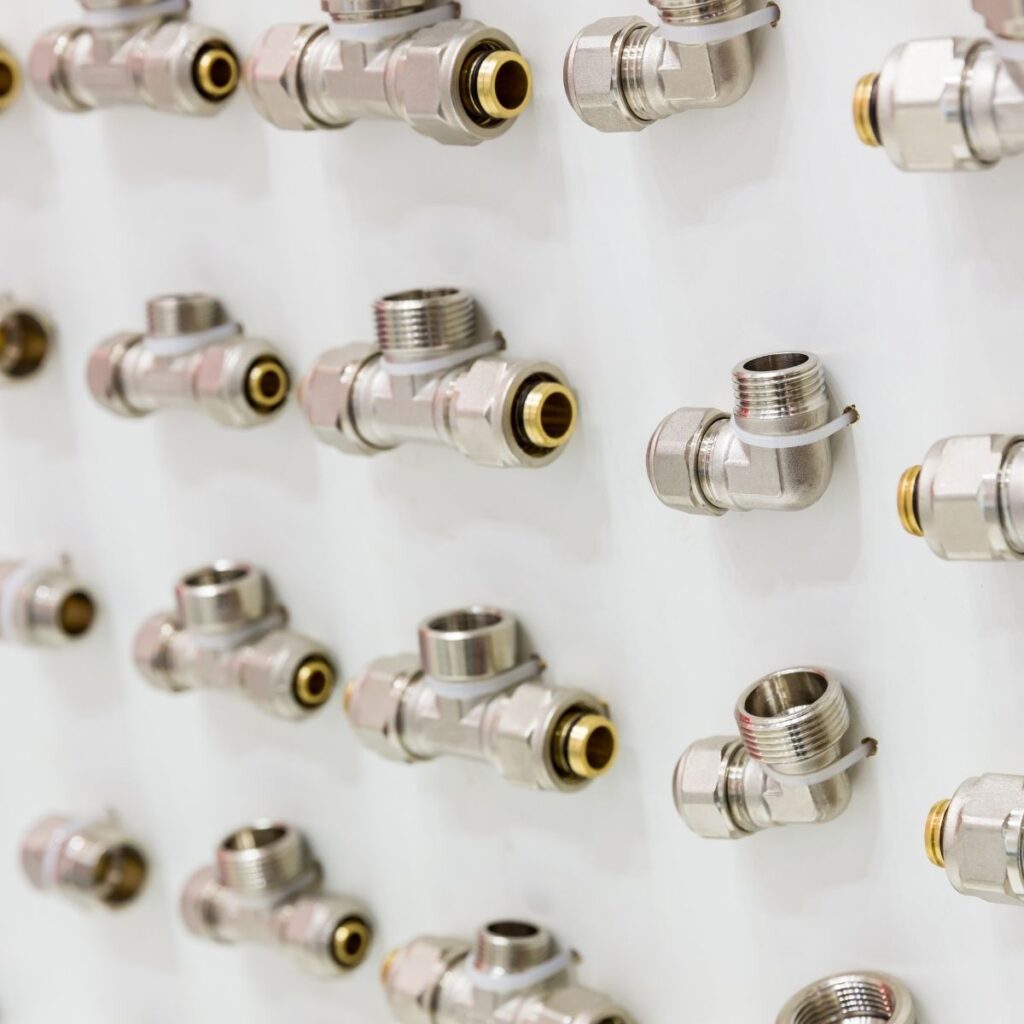
Different connections also perform different jobs within the system. A fitting like the Unitwist Tee Centre Enlarged may accommodate a particular change in the pipe configuration, but its value still depends on the installer understanding how to prepare and complete the connection.
Product familiarity is a considerable strength. The less time teams spend interpreting unfamiliar components or developing various workarounds, the easier it is to establish an installation standard. It doesn’t mean workmanship becomes automatic, but it gives it a process to follow.
Why Should Project Managers Care About Small Differences?
An extra five minutes on one connection barely registers on a project programme. Repeat those five minutes across connections, and you’ve lost a considerable amount of time.
The same applies to correction. One connection requiring attention during testing is manageable and expected. When the same issue appears across units, it suggests something more important is happening.
Process consistency bears commercial weight. Labour time, supervision, testing, snagging and rework all sit downstream from the installation method. If teams need to interpret, adjust or correct connections, the project ends up absorbing the adjustment elsewhere. That is why small inconsistencies can create much bigger plumbing problems.
Small differences rarely stay small at project scale.
The Connection at the Wall Still Has to Follow the Standard
Standardisation doesn’t mean every fitting or connection must look identical. A connection ending at a wall has different practical requirements from one changing direction within the pipework. Positioning, stability, alignment and the fixture itself all influence how work is completed.
A product like the Unitwist Wallplate Elbow has a very different role to a tee, but it shouldn’t require the project team to abandon the broader workmanship expectations. That’s an important distinction.
Repeatable installation standards aren’t single sequences that should be applied blindly. It’s a shared understanding of how different connections within the same system should be handled.
Products may change, but the expectation of consistent workmanship should not.
The Fiftieth Connection Matters More Than the First
One successful connection demonstrates what works. Fifty or several hundred completed connections are the real test.
When different installers, supervisors, and team members all understand the processes, use the standard as a reference, and achieve the desired outcome – speed is simply a welcome symptom of consistency.
On large projects, consistency isn’t about making every team work the same. It’s about providing a standard worth repeating.