The first instinct when plumbing systems fail is usually to blame a single component. A leaking joint, a faulty valve, or a fitting that refuses to seal properly often becomes the obvious suspect. But experienced plumbers know the reality is never that simple.
In many plumbing systems, the real problem isn’t a single defective part, but the combination of faulty parts. Pipes, connectors, fittings, and valves all work under pressure, both literally and structurally – so when those components weren’t designed to work together, even tiny differences create stress within the system.
Sometimes that stress appears immediately during installation. Other times, it waits quietly behind walls until months later, when a joint weakens or pressure inconsistencies start to show. This is why compatibility matters so much. Reliable plumbing isn’t just about choosing good components, but ensuring they work well together.
“Almost Compatible” Is Where Plumbing Problems Start
On paper, most plumbing components appear compatible. Even the labels say so. Thread sizes match closely. Pressure ratings seem similar. Pipe diameters align just enough to make installation possible. Everything appears to be workable until the system is actually put together.
This is where the concept of “almost matching” becomes dangerous. You can’t make a system almost work.
A fitting that seals only with excessive tightening, pipes that expand differently under heat, and valves that respond slower under pressure changes may all seem like minor inconveniences. But collectively, they introduce strain into plumbing systems that were never designed to absorb it.
Installers encounter this situation regularly. The parts technically connect, but they need additional adjustments, extra sealing material, or careful handling just to function properly. And when systems rely on constant adjustments and workarounds to perform, reliability becomes a slippery slope.
On Site, Small Differences Turn into Big Delays
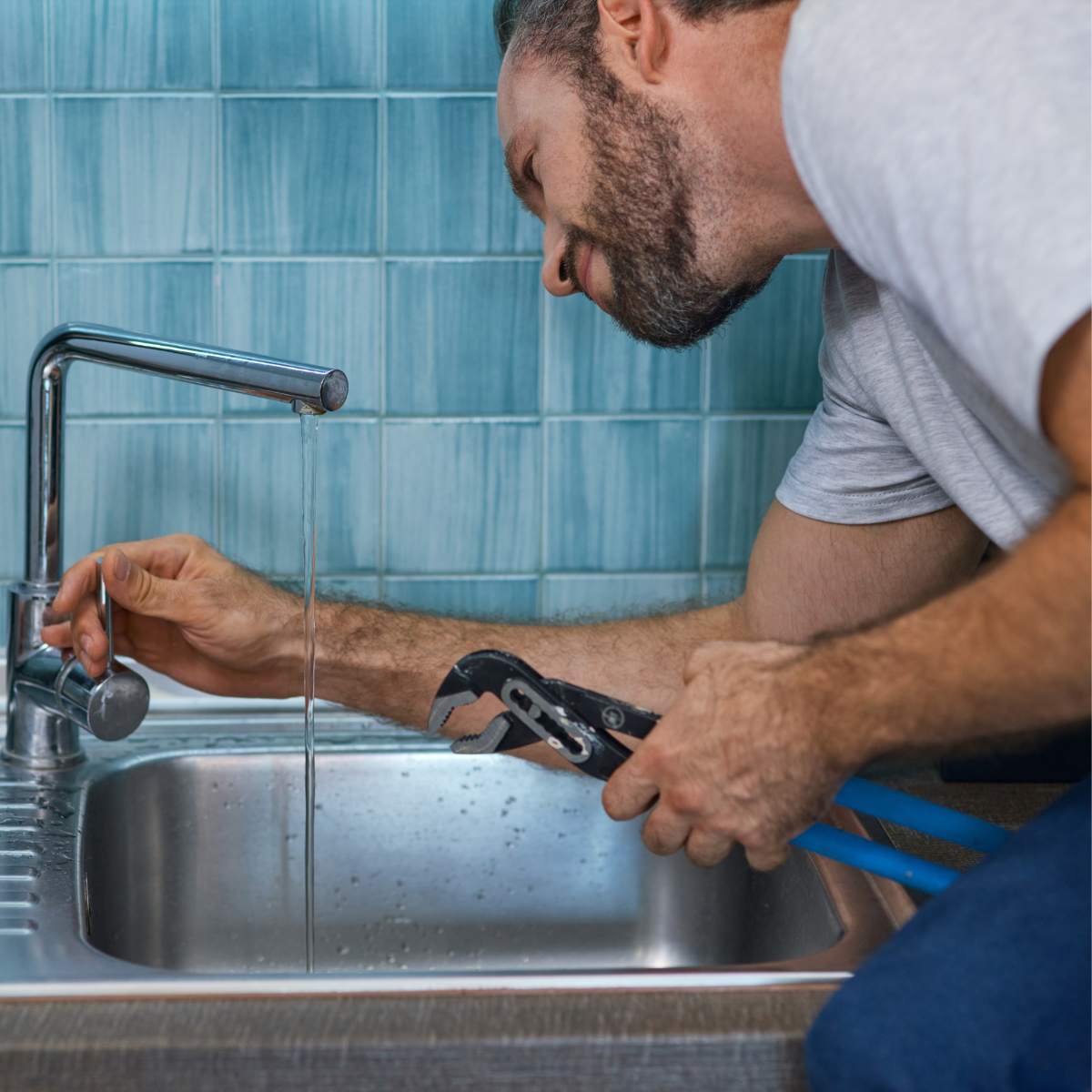
For plumbers and contractors, compatibility problems don’t always show up as dramatic failures. They show up as small inconveniences during installation: threads that refuse to seat correctly, fittings that require more torque than expected. Or connectors that feel slightly loose until additional sealant is applied.
Having to constantly address small issues puts pressure on the installation process. A task that should only take minutes becomes an exercise in troubleshooting. This causes project timelines to stretch, and installers are left managing uncertainty that shouldn’t exist in the first place.
Many plumbers can recall the moment during installation when something doesn’t feel right. The fitting tightens differently than expected, or a connector refuses to seal cleanly without extra force. A small hesitation that signals the components were never meant to work together in the first place.
This is one reason why experienced plumbers develop strong preferences for certain products. Components that have smooth installations behave predictably and earn trust. The importance of that trust goes far beyond convenience.
As the broader impact plumbing has on everyday life showed, reliable plumbing infrastructure supports sanitation, safety, and daily comfort in ways that often go unnoticed…until something goes wrong.
Plumbing Works Best When It’s Designed as a System
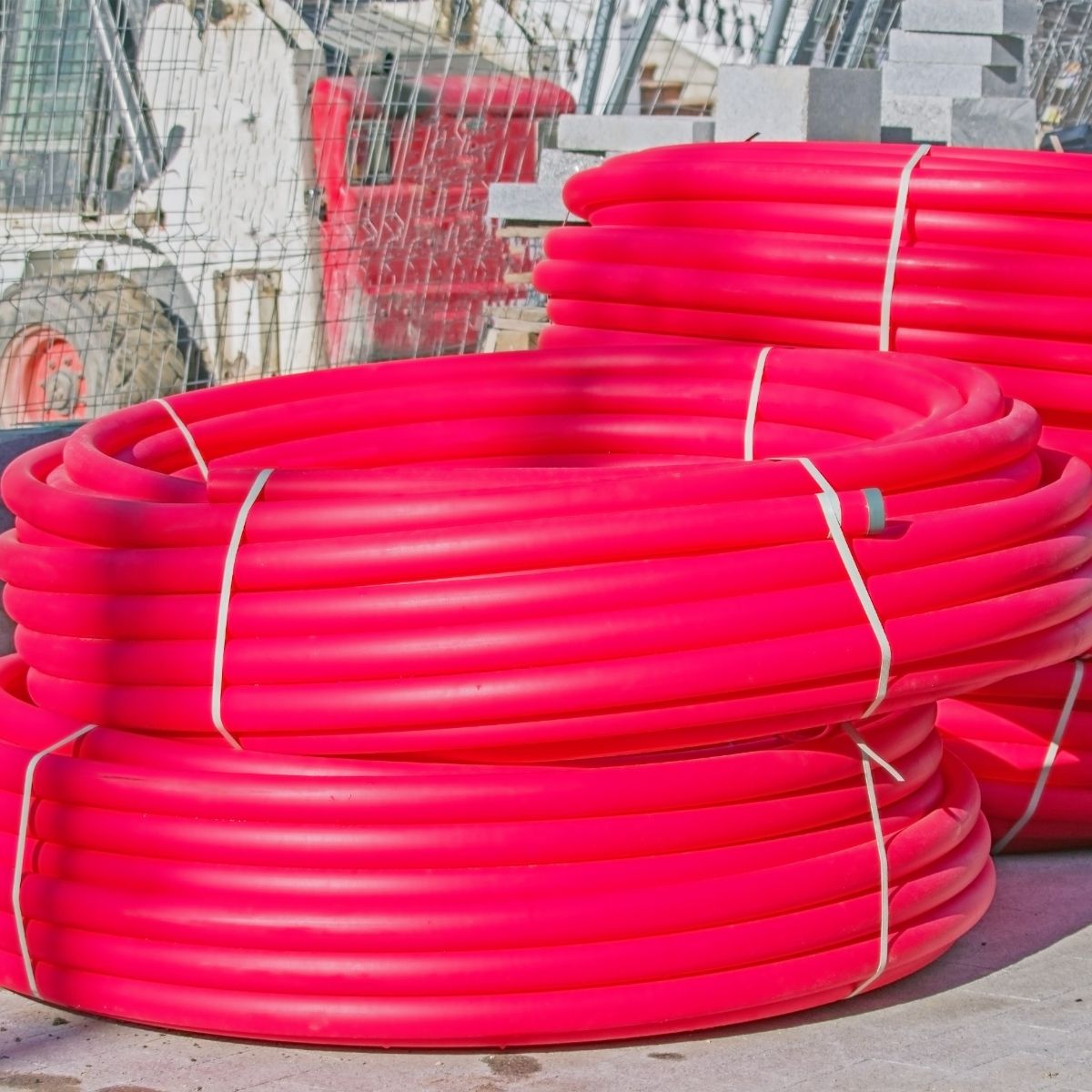
The most reliable installations rarely rely on systems that were designed to function together from the start. In modern plumbing design, infrastructure like Sunridge’s multi-layer piping helps achieve that consistency. Rather than mixing and matching unrelated components and hoping they cooperate, integrated systems ensure pipes, fittings, and connectors share compatible specifications. This cohesion reduces installation uncertainty and improves long-term durability.
Consider a renovation project where pipes from one supplier are connected to fittings or valves from another manufacturer with slightly different pressure tolerances. On paper, the specifications appear compatible. But in practice, those small differences can create stress at connection points, particularly when systems expand and contract under temperature and pressure changes. Experienced installers recognise that plumbing works best when components operate within the same engineering framework rather than being forced together during installation.
This approach transforms plumbing from a collection of parts into a coordinated system where each component reinforces the performance of the others.
Why Mixing Plumbing Components Creates Hidden Risk
Construction projects are more complex: the buildings are larger, timelines are tighter, and supply chains often span multiple suppliers and locations, and product categories.
And if plumbing components are sourced independently without considering compatibility, the risk of projects stalling increases.
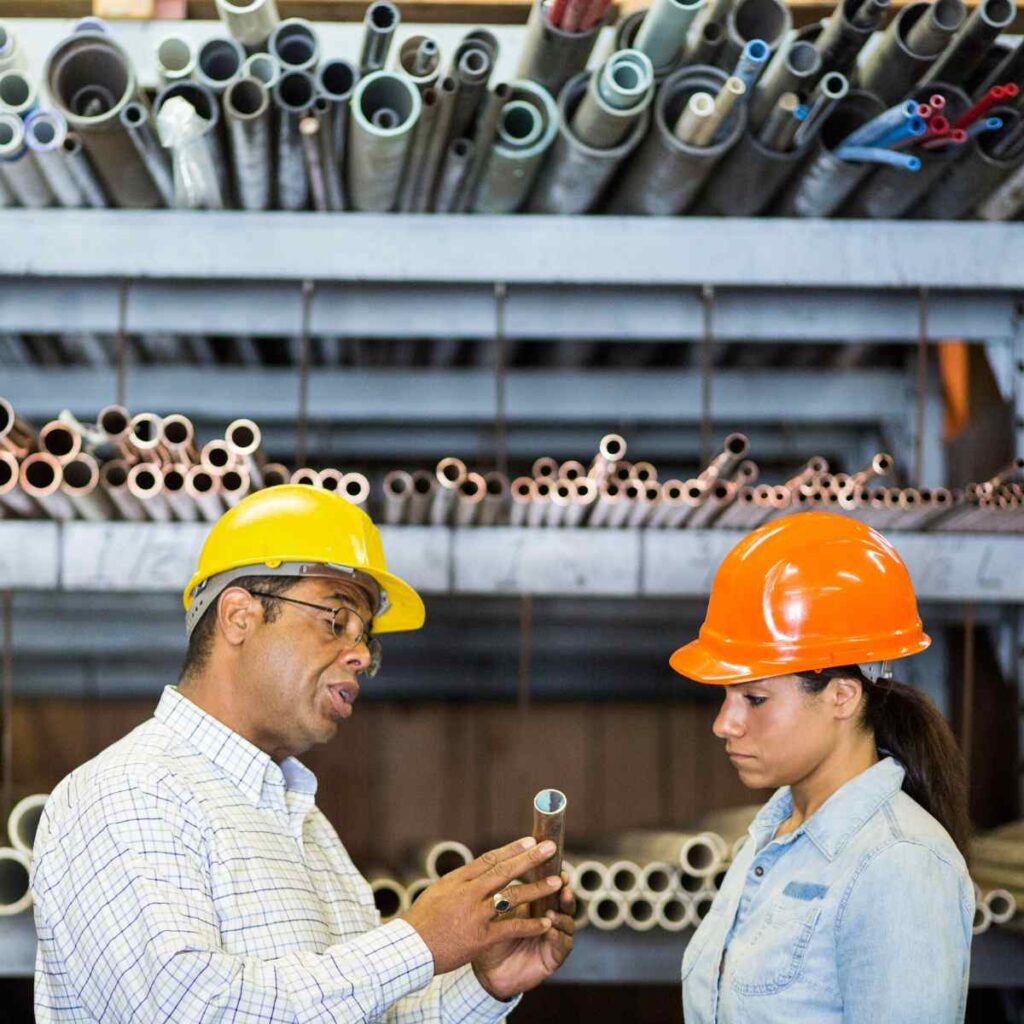
Even experienced contractors can struggle when parts from different manufacturers behave slightly differently under real-world conditions. Thread variations, pressure tolerances, and material differences can quickly introduce complications. This is why integrated thinking has become more valuable across the industry. Approaches like Sunridge’s all-in-one plumbing solution recognises the installers’ benefit when product ecosystems are designed to work together rather than mixed and matched.
When compatibility is considered from the start, installation becomes smoother and the entire system becomes more reliable.
For project managers and suppliers, this approach also simplifies decision-making. Rather than managing dozens of disconnected product specifications, integrated plumbing solutions reduce system uncertainty across the entire installation.
Compatibility Issues Don’t Show Up Immediately (But They Always Show Up)
Issues from compatibility rarely appear immediately after installation. They tend to surface months later when systems have already been sealed behind walls and ceilings.
- A slightly stressed joint starts to weaken
- Pressure inconsistencies affect valve behaviour
- Small leaks appear where components have been forced together beyond their ideal tolerances
- Callbacks start piling up
At that stage, repairs are already far more complicated than they need to be.
Access panels may need to be opened, finished surfaces may need to be removed, and labour costs rise quickly, even for relatively minor adjustments. This is why installers and contractors place so much emphasis on compatibility during the planning stage.
Systems designed around compatible infrastructure, like integrated solutions built on multi-layer piping, reduce the likelihood of these long-term complications. Preventing problems early is always easier than fixing them later.
Reliable Plumbing Systems Are Planned, Not Improvised
Successful installations usually reflect careful planning and thoughtful product selection long before the first pipe is installed. Contractors, engineers, and suppliers all play a role in ensuring that components within plumbing systems work together effectively.
When compatibility is treated as an afterthought, installers are left solving problems on site. But when it becomes part of the design process, plumbing systems function more predictably and require fewer adjustments during installation. The strongest plumbing systems aren’t built from individual parts chosen in isolation. They are built from components designed to work together, creating a system that performs as reliably behind the walls as it appears from the outside.
Experienced plumbers understand this instinctively: reliable plumbing systems are rarely assembled by chance. They’re built through compatibility.