Most plumbing systems don’t fail with a dramatic burst pipe and a flooded corridor. More often, the warning signs are quieter.
The problem is that small inconsistencies don’t stay small when they are repeated across multiple bathrooms, units, or phases of work. For contractors and project managers, the real challenge is not only getting products to fit. It is creating installations that perform predictably every time.
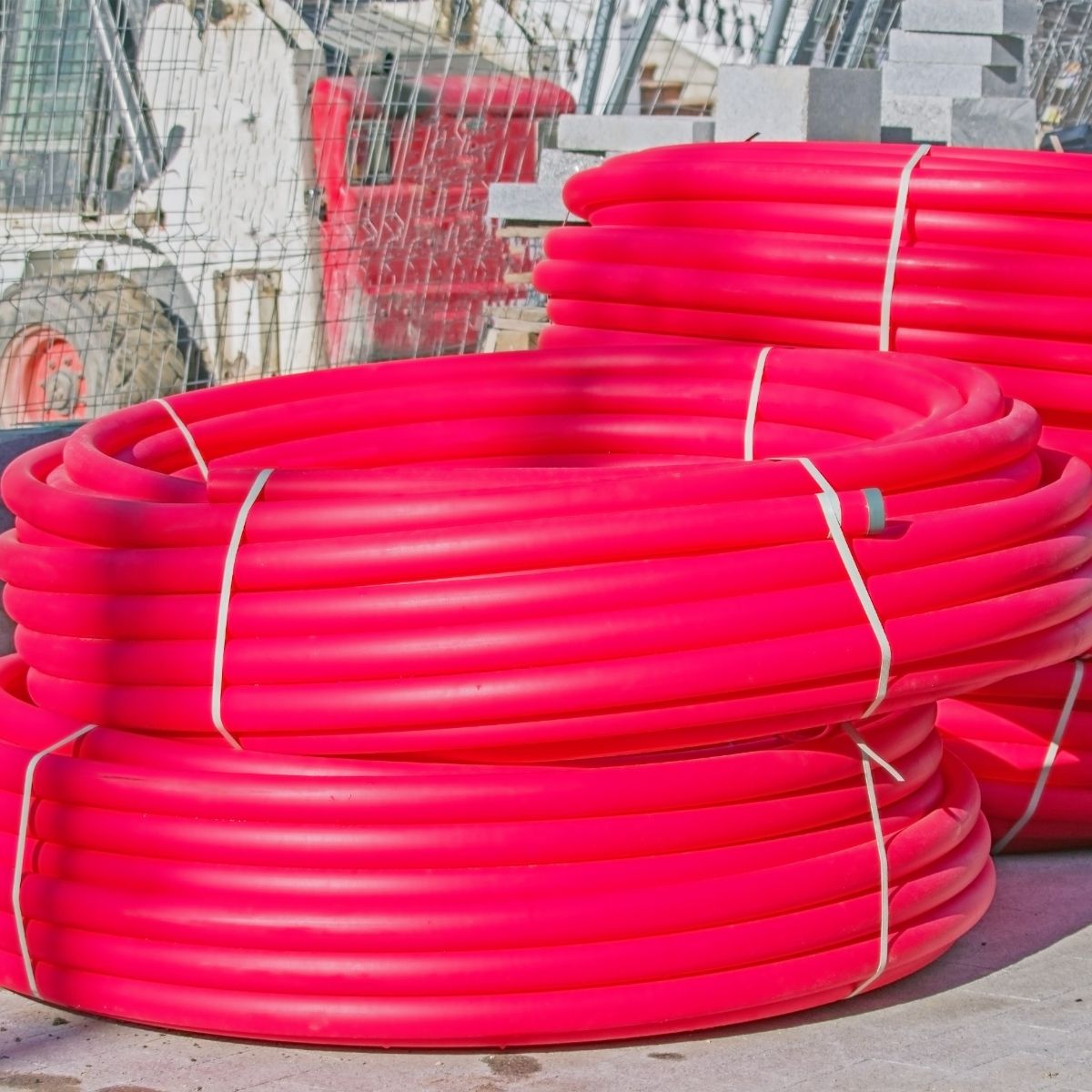
That is why infrastructure like multi-layer piping plays such an important role in modern installations. Strong systems depend on repeatable performance.
The First Warning Sign Is Usually Easy to Ignore
Most failures start with something that feels too minor to fix. An installer notices that one fitting requires more sealant than expected. A connection feels tighter than usual. A component that normally installs in minutes suddenly takes longer to align.
Nothing failed, so the project continues. That is exactly what makes these warning signs easy to dismiss.
The problem is that many plumbing systems gradually reveal issues. Small inconsistencies appear long before leaks, pressure problems, or maintenance requests arrive.
Experienced installers learn to pay attention to these early signals because they often indicate larger performance issues hiding beneath the surface.
The Job Shouldn’t Feel Different Every Time
Reliable projects rely on consistency. A contractor who has installed the same system across multiple developments expects similar outcomes every time. Installation times should be predictable. Components should behave consistently. Teams shouldn’t need to develop new workarounds halfway through a project.
When products perform differently batch to batch, predictability disappears.
Picture a contractor fitting out twenty apartment bathrooms. The first phase goes smoothly: fittings align, joints seal cleanly, and the team moves through each unit at the expected pace. Then the next delivery arrives. The fittings look the same, but they don’t behave the same. Connections take longer and need extra adjustment. A few joints require more attention than they should. Nothing has technically failed, but the project has already slowed down.
Months later, the maintenance issues appear in the units completed with that second batch. By then, the original installation difference is harder to trace, but the pattern is there. The issue wasn’t one dramatic defect. It was inconsistency repeated across the project.
This is why pipe fittings should never be treated as interchangeable simply because they appear similar on paper.
The Smallest Components Often Create the Biggest Headaches
Most people never see the fittings hidden behind walls, beneath basins, or inside service spaces. Yet those components often determine how reliably plumbing systems perform over time.
A fitting that seals properly today but performs differently six months later can create a chain reaction of maintenance issues. The challenge is that these problems don’t announce themselves immediately. They emerge slowly through callbacks, minor repairs, and recurring complaints that gradually erode confidence in the installation.
Installers often recognise these warning signs early. There is usually a reason why experienced tradespeople develop strong instincts about whether a product feels trustworthy on site, much like the observations explored in the plumber’s inner voice asking whether a pipe is actually good.
One Problem Across Fifty Bathrooms isn’t a Small Problem
In a single residential bathroom, inconsistency creates frustration. In a multi-unit project, it creates exposure.
A fitting issue in one bathroom may be manageable. The same issue repeated across fifty hotel rooms, apartment units, or office bathrooms becomes a very different kind of problem. It becomes a pattern that affects scheduling, maintenance capacity, and the client’s confidence in the installation.
Picture a project manager handing over a completed apartment block. Everything appears ready. Then maintenance requests start flooding in from the same bathroom zone across multiple units. One leaking joint is simple enough to investigate. Ten similar complaints suggest something bigger.
The cost isn’t limited to the replacement component. It affects labour scheduling, access arrangements, tenant or guest disruption, maintenance planning, and project reputation.
The larger the installation, the more valuable consistency becomes.

A Simple Way to Spot Patterns Before They Become Problems
The most useful maintenance issues are the ones that reveal patterns.
Before replacing the same failed component for a third time, it helps to step back and assess whether a larger issue could be developing.
Pattern Noticed | What It May Suggest |
The same joint keeps leaking | Fitting tolerance inconsistency |
Multiple failures in similar locations | Installation or batch variation |
Components require repeated adjustment | Product/material consistency issue |
Pressure performance varies | Wider system performance concern |
Replacements fail in the same way | Product matching or system fault |
The value is not only in fixing the immediate problem, but in identifying whether the problem is likely to appear elsewhere. This is why plumbing systems compatibility helps to prevent inconsistency issues. Predictability is what turns a good installation into a dependable one.
Consistency Creates More Than Performance
Every contractor, merchant, and project manager eventually learns the same lesson: predictable products make better projects.
Consistent manufacturing quality. Reliable availability. Stable long-term performance. These characteristics may not stand out during procurement discussions, but they become invaluable once work is underway.
The same principle applies to supply. Reliable stock availability reduces the need for last-minute substitutions, helping teams maintain consistency across installations and phases of work.
Repeated failures create callbacks, returns, and hesitation when the next specification decision is made. This is why dependable logistics and supply networks matter just as much as the products themselves. Confidence is built when teams know the next delivery will perform the same as the last.
Nobody Budgets for Avoidable Problems
Good plumbing is often invisible. The best installations are rarely remembered because nothing goes wrong. There are no unexpected maintenance requests, and no recurring callbacks.
That level of reliability isn’t achieved through luck. It comes from consistent products, predictable performance, and decisions that prioritise long-term outcomes over short-term convenience.
The most successful plumbing systems aren’t necessarily the most complicated or innovative. They are the ones that perform the same way every time.
Because in plumbing, consistency is not boring. It is what prevents small issues from becoming expensive ones in the first place.