Flush systems are one of the least discussed parts of a bathroom. They sit behind walls, inside cisterns, and quietly do their job without much attention.
Until something changes.
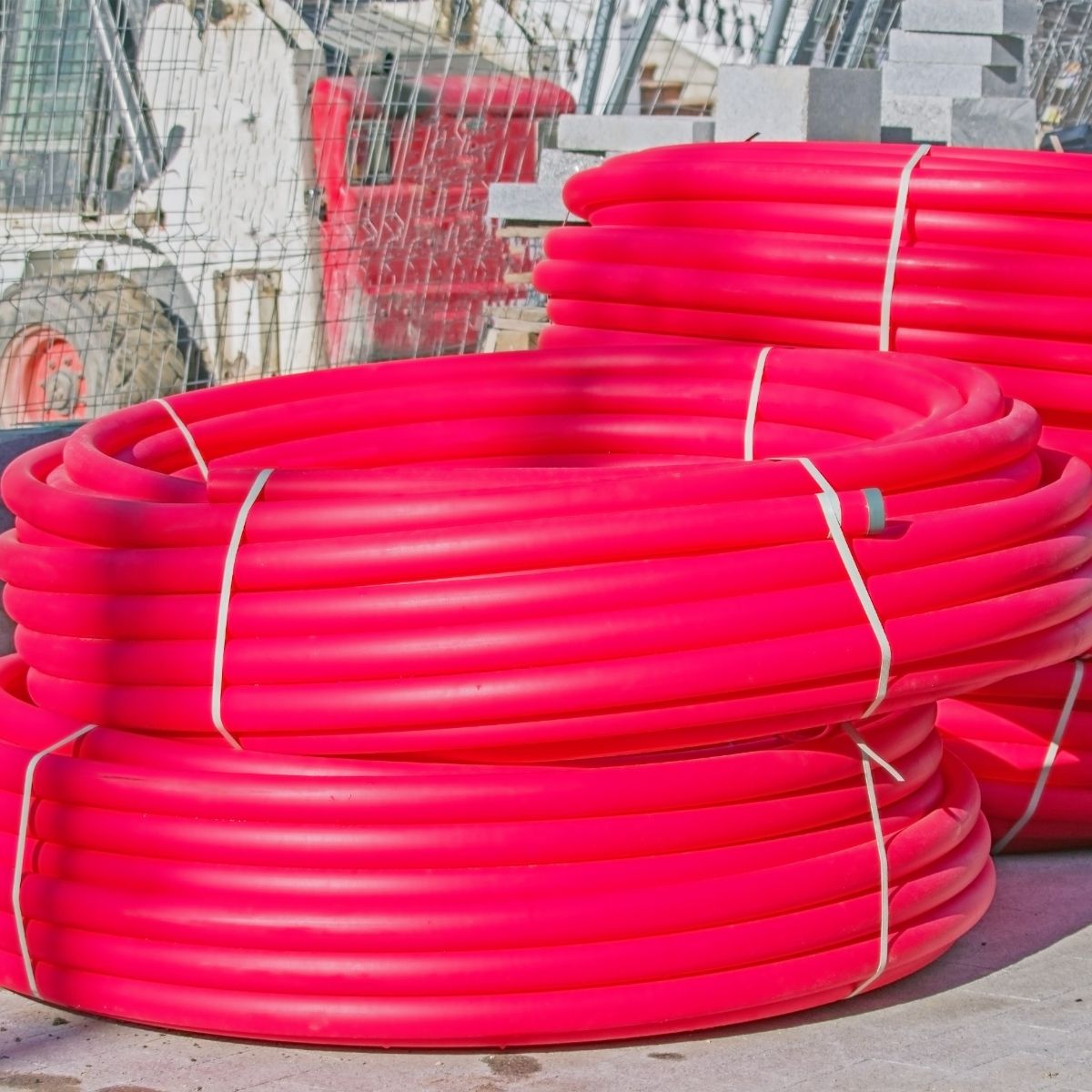
It usually starts small. A flush that feels weaker than it used to. A button that needs a second press. A refill that takes just a little too long. At first, it’s easy to ignore. Then it becomes something you notice every single day. Flush performance isn’t just about the mechanism itself. It’s about how that mechanism works within the wider plumbing system. Infrastructure such as Multi-Layer Piping plays a role in maintaining consistent pressure and flow, which directly impacts how well everything functions over time.
This is where most people realise they never really thought about their toilet flush system in the first place. Not when choosing it, not when installing it, and definitely not when comparing options.
The Part of the Bathroom You Never Think About Until It Fails
Most people interact with their toilet dozens of times a day without giving it a second thought, and that’s exactly how it should be.
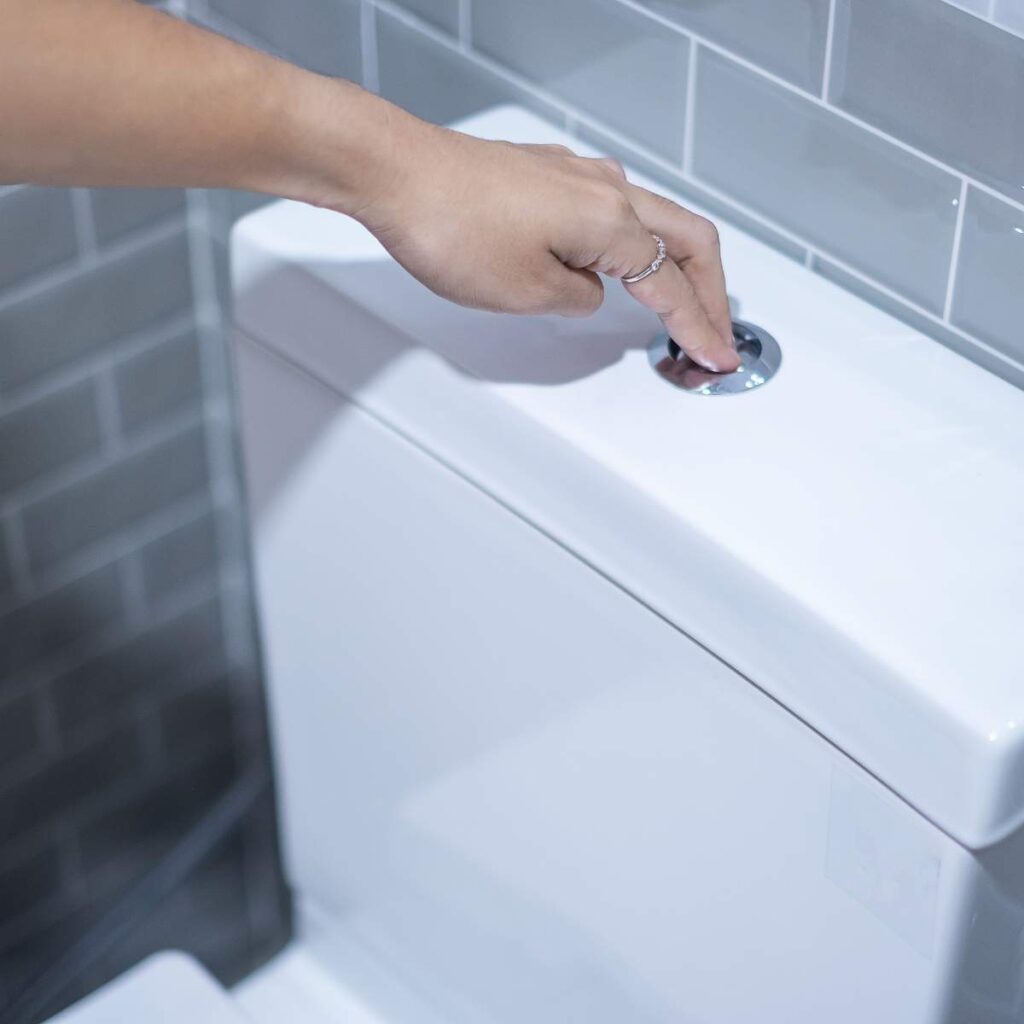
But when a toilet flush system starts to fail, even small issues become noticeable more quickly. A flush that doesn’t clear properly. A button that needs to be pressed twice. A refill that takes longer than it used to. Even that faint whistling or hissing sound that suddenly makes the whole bathroom feel a little less reassuring than it did yesterday.
These aren’t dramatic failures. They’re gradual ones. And they often point to underlying issues that have been quietly building over time.
What’s Actually Happening Behind the Wall
Behind every flush is a simple but precise sequence: water is released from the cistern, pressure carries waste through the system, and the tank refills for the next use.
That sequence depends on several components that should properly work together. The cistern, the flush valve, the inlet valve, and the connecting pipework all play a role. This is why early planning matters. Decisions made when choosing a toilet cistern influence how the entire system behaves later on.
A toilet flush system isn’t an isolated feature. It’s part of a larger process that relies on timing, pressure, and compatibility.
Why Some Flush Systems Feel Reliable, and Others Don’t
At a glance, most flush systems look very similar. A button is pressed, water is released, and the outcome appears consistent. In practice, the difference becomes clear over time.
Some systems deliver a clean, consistent flush every time. Others feel slightly unpredictable. The button response changes. The flush feels weaker. The refill takes longer than expected. These differences are rarely caused by a single component. They come from how well the entire toilet flush system has been designed to work together.
Water release speed, valve responsiveness, seal quality, and refill timing all play a role in how a system performs. When these elements are aligned, the result feels smooth and reliable. When they aren’t, small inconsistencies become more obvious.
This is why two systems that look almost identical on installation day can feel completely different after a few months of use. One settles into a predictable routine. The other slowly becomes something you notice more than you’d like.
Where Problems Usually Start
Flush systems don’t usually fail all at once. Problems tend to start with small inconsistencies. A seal that doesn’t sit properly. A valve that wears unevenly. A component that doesn’t quite match the rest of the system.
These issues are often linked back to product quality. As discussed in choosing quality plumbing supplies, components that aren’t designed to work together can introduce unnecessary stress into the system. For anyone managing a renovation or specifying products for a project, this is often the turning point. On paper, everything looks compatible. Specifications line up, components seem interchangeable, and timelines move forward. It’s only later, during installation or months into use, that small mismatches start to show themselves.
By then, the conversation has already shifted from selection to problem-solving.
A Practical Comparison of Flush System Types
Most people don’t compare flush systems until they have to. When they do, the differences can feel surprisingly unclear.
This simple breakdown helps bring some structure to the decision.
Type | Best For | Watch Out For |
Dual flush | Water efficiency | Mechanism consistency |
Gravity-fed | Standard installations | Tank quality dependency |
Concealed systems | Clean modern design | Maintenance access |
Seen like this, the decision becomes less about preference and more about context. What works well in one bathroom may introduce complications in another.
Design Choices That Affect Performance
Modern bathrooms often prioritise clean lines and minimalism. Wall-hung toilets and concealed cisterns are increasingly popular for this reason.
A product like the Lave Marie Wall-Hung Pan works well in these environments because it reduces visual clutter and creates a more open feel. When paired with a concealed system such as the RIIFO Concealed Cistern, the result is a streamlined design that feels modern and efficient.
However, these systems rely heavily on correct installation and accessible maintenance points. A flush system hidden behind the wall still needs to be serviceable.
Why Compatibility Across Plumbing Systems Matters
Flush performance is closely tied to the broader environment it operates in. Water pressure, pipe quality, and system design all influence how effectively a flush works. When components are mismatched or installed without considering the bigger picture, you sit with inconsistent performance.
This is why compatibility within plumbing systems matters just as much as the individual components themselves. A well-designed system ensures that each part supports the others, rather than working against them.
What Long-Term Reliability Really Comes Down To
In the end, reliability isn’t something most people actively look for when choosing bathroom components. It only becomes important once something stops working as it should.
A well-designed toilet flush system avoids that moment entirely. It works in the background, consistently and quietly, without demanding attention. For contractors and project managers, that means fewer callbacks and delays. And for homeowners, it means one less thing to think about after the renovation is complete.
It’s not the most visible part of a bathroom, but it’s often one of the most telling.