The modern bathroom is often designed from the outside in. Tiles are locked in, colour palettes are debated, and tap finishes are compared long before the structural elements are finalised. But one of the most important decisions, the toilet cistern, is frequently an afterthought in the planning process.
Leaving the cistern choice till last quietly shapes how everything else unfolds.
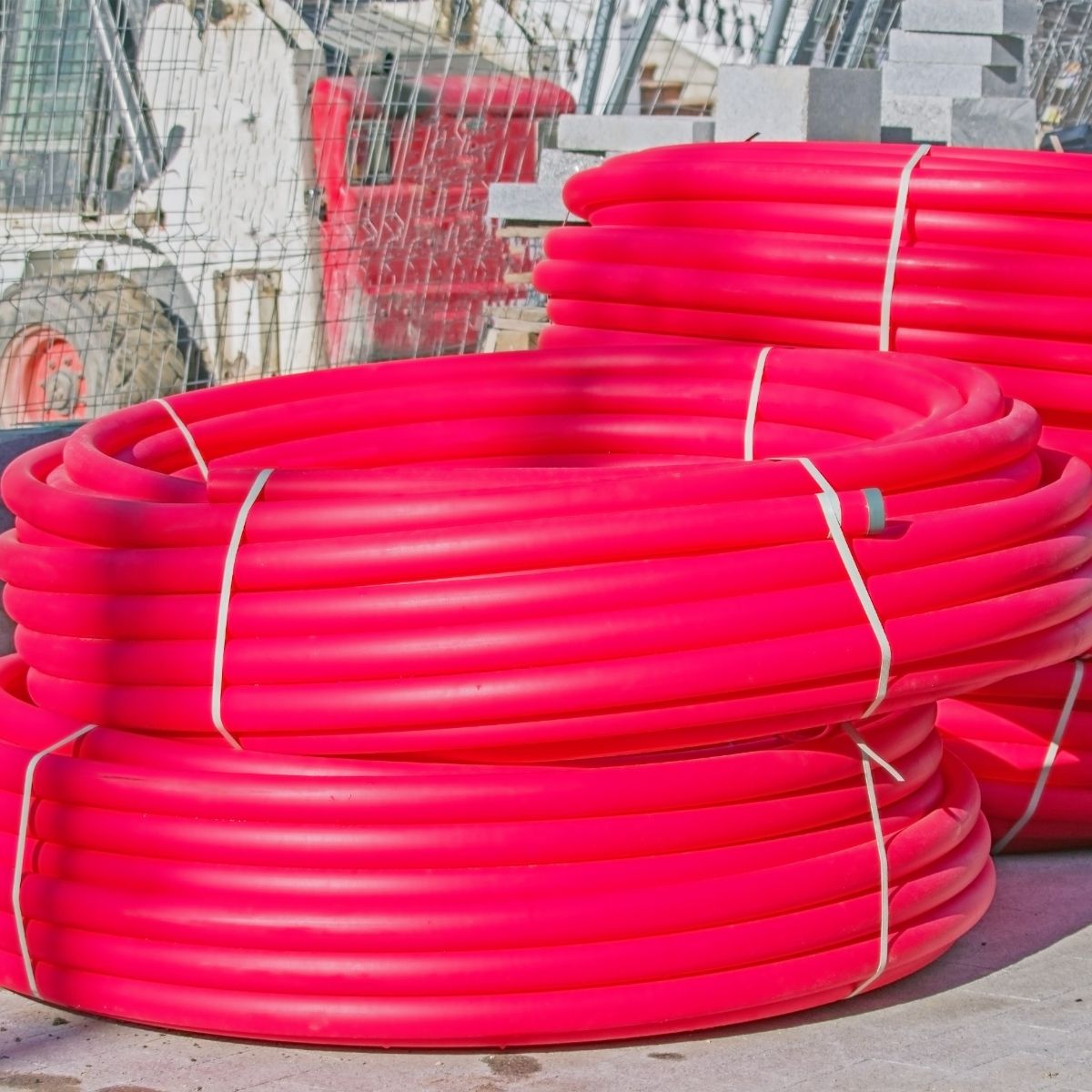
Wall depth, tile arrangement, storage potential, and even future maintenance access are influenced by the type of cistern selected. But once surfaces are sealed and finishes installed, the flexibility disappears. Behind every visible fixture is infrastructure that determines long-term performance, and integrated systems like multi-layer piping ensure that what sits behind the wall supports the decisions made in front of it.
Choosing early in the process has little to do with rushing and more to do with protecting the layout before options start to narrow.
Exposed or Concealed? The Structural Difference Beneath the Surface
At first glance, the difference between exposed and concealed options appears purely visual. One sits very comfortably against the wall, and the other disappears within it. But the toilet cistern decision doesn’t just account for aesthetics.
Low-level or exposed systems typically require less structural adjustment. Because they’re visible, they’re easily accessible and straightforward to service. In renovation projects where wall spaces are shallow or structural work is limited, this approach offers better flexibility. A solution like the Bretten Vantage Low Level Plastic Toilet Cistern is often well-suited to these scenarios when ease of access is a priority.
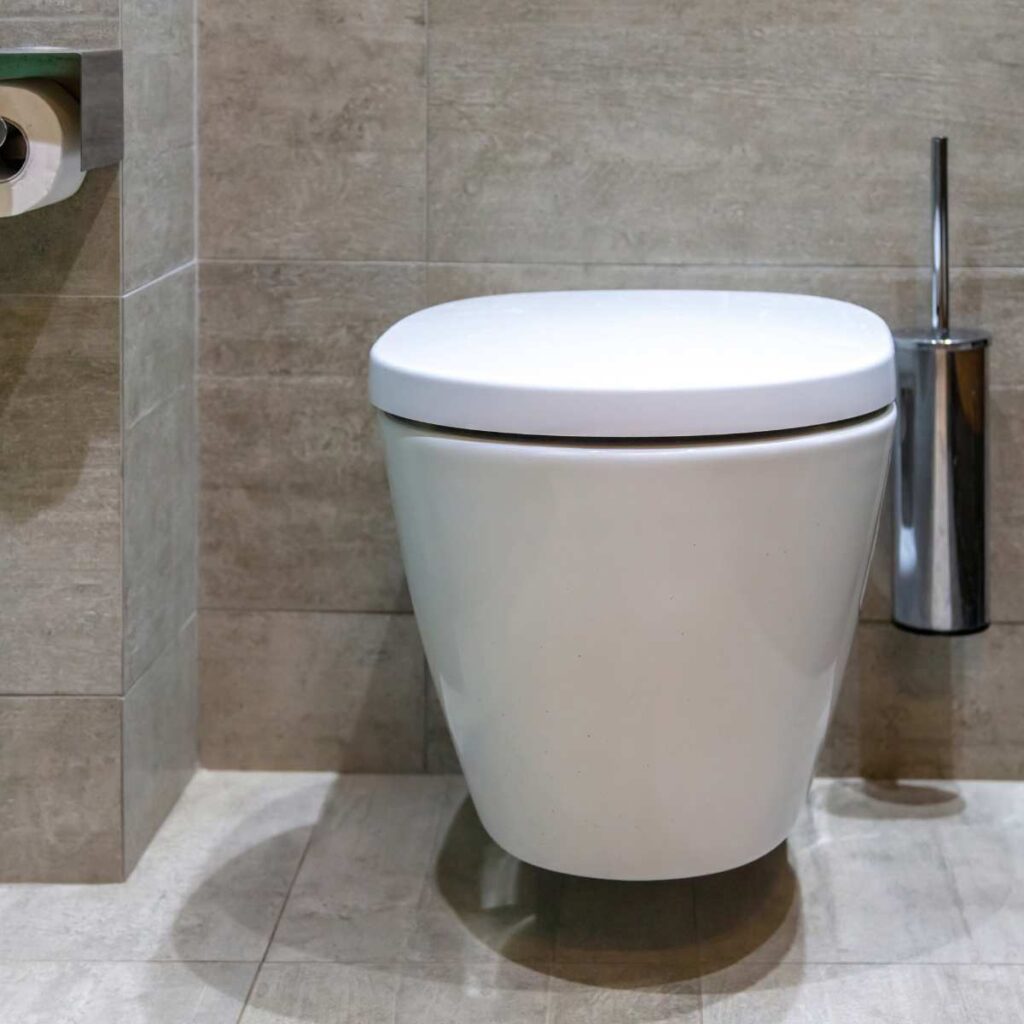
A concealed cistern, on the other hand, needs more planning. It’s a system that demands a sufficient amount of wall depth and careful positioning but offers a seamless finish that aligns perfectly with modern design trends. This decision isn’t about which one looks better, but more about what aligns best with the realities of the space.
Small Bathrooms and Guest Toilets
In smaller, compact spaces, visual clarity matters more. If visible elements are reduced, it can quickly open up a space and feel less crowded. A well-installed concealed cistern can contribute to a cleaner appearance, specifically in guest bathrooms where a minimalist aesthetic carries more weight than heavy daily use.
For a cleaner setup, systems like the RIIFO Concealed Cistern support a minimal finish when incorporated correctly. However, access panels must be thoughtfully integrated to ensure future maintenance remains practical.
Space-saving solutions work best when they are planned early, not retrofitted after the walls have been defined.
Daily Use Demands More Than a Minimal Design
For high-traffic bathrooms, durability and access outweigh minimalism. The flush mechanisms and seals naturally wear over time, so when servicing is needed, easy access prevents disputes and reduces costs.
Low-level kits, like the Bretten Vantage Low Level Cistern PVC Handle Kit, offer straightforward component replacement without disturbing tiled surfaces. In family environments, that level of simplicity can make a noticeable difference over the lifespan of the bathroom.
A toilet cistern in these settings should be considered for how it will perform under consistent use, not just for its appearance.
When Existing Walls Set the Rules
Renovations are driven by the space’s limitations. Existing walls, pipe placements, and structural restrictions dictate what is possible. Oftentimes, switching to a concealed system requires additional framing or wall thickening that impacts budget and space.
New builds have better flexibility. The wall cavities can be designed around the desired cistern type from the start. The choice becomes more strategic and functional, rather than reactive.
The earlier the decision is made, the fewer compromises are needed later.
Choosing What Fits Your Space
Instead of asking which option is better, it’s more helpful to ask which fits your space and usage.
Bathroom Scenario | Exposed/Low-Level Cistern | Concealed Cistern |
Small guest WC | Simple retrofit | Cleaner visual finish |
Full renovation | Minimal structural change | Requires wall cavity planning |
High-use family bathroom | Easier servicing | Planned maintenance access needed |
Budget flexibility | Lower alteration cost | Higher upfront planning cost |
Future adaptability | Simple replacement | Structural adjustment required |
The right choice depends less on trend and more on context.
The Maintenance Reality Behind the Wall
Flush systems are mechanical. Over time and use, these components will need adjustment or replacement. The difference between frustration and simplicity lies in how accessible those components are.
A toilet cistern that is easily accessible may save costs and time in the future. While a concealed cistern delivers visual refinement, it requires careful consideration of access panels and servicing design.
Hidden doesn’t mean maintenance-free – it just means smarter planning around access.
Bathrooms that remain functional long after the initial excitement of design and installation fade are planned with the next decade in mind.
Why Rushing This Decision Leads to Regret
When the toilet cistern is selected late in the project, layout flexibility narrows. Wall cavities may already be fixed. Tile lines may dictate positioning. Structural adjustments become expensive and disruptive.
This is where regret often surfaces: not because the product is flawed, but because the timing of the decision limited the outcome. Early planning allows plumbing, structure, and finishes to all align. It protects the visual flow, ensures practical servicing, and reduces the likelihood of costly modifications later (or sooner).
Bathrooms that function well years from now are rarely the result of last-minute choices. They’re shaped by early, intentional decisions that consider performance, access, and integration together.
Plan Once, Benefit for Years
A toilet cistern isn’t decorative. It’s structural.
Whether visible or concealed, its placement influences more than most people realise. By approaching this decision before walls are closed and finishes locked in, you protect the design, the budget, and the usability of your space.
The most successful bathrooms aren’t simply well styled. They’re well planned, from behind the wall forward.